 Lydiony Garden
16 July 2026
What to Plant After Tomatoes
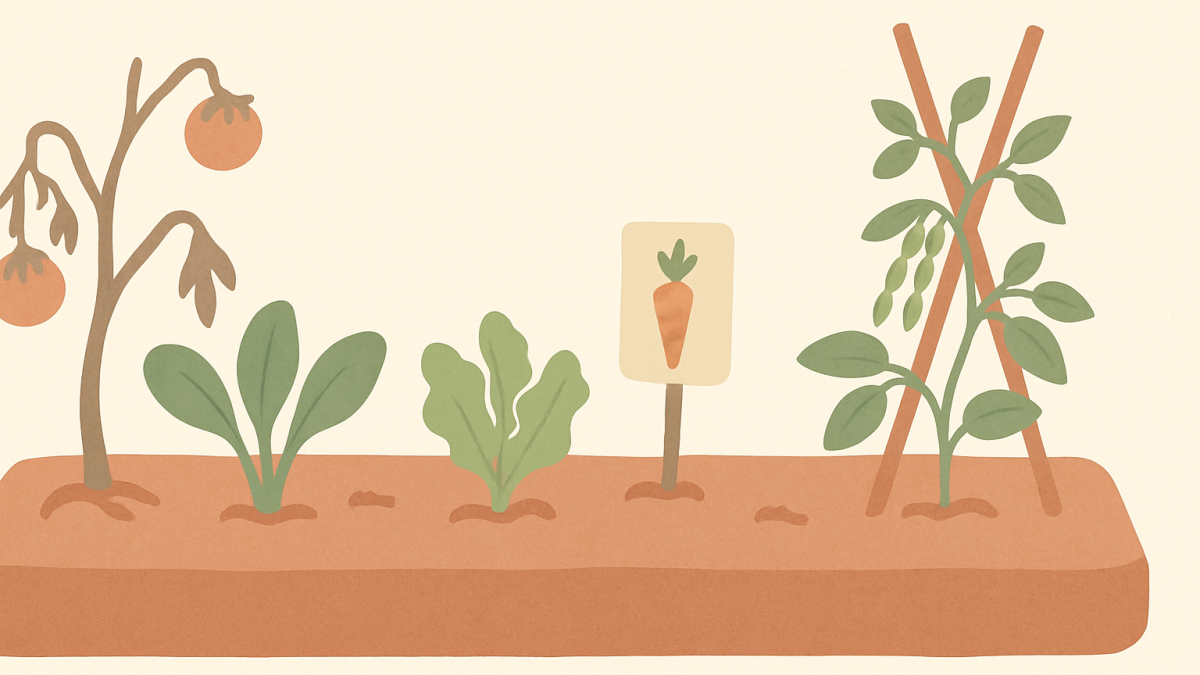
Your tomato plants are finished for the season, the bed is cleared, and you're left with the same question every Melbourne gardener eventually asks: what to plant after tomatoes? The answer matters more than it might seem — planting the wrong follow-up crop can build up soil-borne disease and deplete the same nutrients tomatoes already used heavily, while the right choice restores your soil and sets up a strong next season.
Why Crop Rotation Matters After Tomatoes
Tomatoes are members of the nightshade family (Solanaceae), along with capsicum, chilli, eggplant, and potato. Growing any of these in the same spot straight after tomatoes has two real downsides:
- Disease carryover: Soil-borne diseases like fusarium and verticillium wilt, along with various root-knot nematodes, build up in soil where nightshades are grown repeatedly, and can affect the next nightshade crop planted in the same spot.
- Nutrient depletion: Tomatoes are heavy feeders, particularly of potassium and nitrogen. Following with another heavy-feeding nightshade compounds the depletion rather than giving the bed a chance to recover.
The simplest rule of thumb: give a bed at least a two-to-three-year break from nightshade crops after growing tomatoes, ideally longer if you've had any disease issues.
Good Follow-Up Crops After Tomatoes
Leafy Greens and Brassicas
As the tomato season winds down heading into autumn and winter, brassicas (broccoli, cabbage, kale) and leafy greens are a natural follow-up. They draw on different nutrients than tomatoes did, break the nightshade disease cycle entirely, and suit Melbourne's cooler-season growing window well.
Legumes
Peas and beans are an excellent choice after a heavy-feeding crop like tomatoes, since they fix nitrogen in the soil rather than depleting it — effectively giving the bed back some of what the tomatoes used, ready for whatever you plant next.
Root Vegetables
Carrots, beetroot, and onions all draw on different soil layers and nutrient balances than tomatoes, making them a solid rotation choice that doesn't compete with or compound the specific depletion tomatoes cause.
Other Summer Vegetables: A Same-Season Option
If your tomatoes have finished early, or you're planning ahead for next spring rather than an immediate autumn follow-up, other warm-season vegetables outside the nightshade family make an excellent rotation partner and let you keep the bed in vegetable production without the disease-carryover risk:
- Zucchini: A vigorous, reliably heavy-cropping choice. Our Lebanese Zucchini is a strong performer that fills a bed quickly and produces right through the warmer months.
- Cucumbers: From a different plant family entirely, cucumbers make a genuinely good rotation partner for a bed that's grown tomatoes. Browse our cucumber seedlings for options suited to garden beds or containers alike.
- Bitter melon: An excellent choice if you want something different from the usual rotation options — both our Green Bitter Melon and White Bitter Melon grow well through a Melbourne summer and bring an entirely different set of nutrient needs to the bed.
- Angled luffa: Another vigorous vining crop from outside the nightshade family, our Angled Luffa rewards a well-prepared bed with a strong summer harvest.
Consider Flowers for a Genuine Break
If a bed has grown tomatoes (and other nightshades) repeatedly over several seasons, a full break with flowering plants is a genuinely effective reset — no shared pest or disease pressure at all, and a season to let the soil recover before returning to vegetables.
Chrysanthemums are a strong choice for this — they thrive in Melbourne conditions, provide months of colour, and give a heavily cropped vegetable bed a complete season's rest from vegetable-specific pests and diseases before you return it to tomatoes or another summer crop.
Improve the Soil While You Rotate
Whatever you choose to plant next, use the changeover as an opportunity to rebuild what the tomato crop used:
- Dig in fresh compost before planting the follow-up crop, regardless of what it is.
- If soil-borne disease was a problem with your tomatoes, consider a longer break from all related crops and focus specifically on soil health during that time.
- A cover crop (such as a green manure crop dug back into the soil before flowering) is worth considering if you're planning to leave a bed largely unused over a full season — it adds organic matter and can help suppress some soil-borne pathogens.
Planning Your Rotation
A simple approach that works well for most Melbourne home gardens: divide your growing space into a few sections and rotate crop families through them year to year — nightshades in one section this year, legumes or brassicas the next, root vegetables or a different summer crop the year after, cycling back to nightshades only once several seasons have passed. Keeping a simple written record of what grew where each season makes this far easier to stick to than trying to remember it.
Frequently Asked Questions
How long should I wait before planting tomatoes in the same spot again? At least two to three years is a reasonable minimum, longer if you've had noticeable disease problems. If space is tight and a full rotation isn't practical, focus on soil health improvements and disease-resistant varieties to reduce the risk.
Do I need to rotate in a small backyard garden? Rotation matters at any scale — even a few garden beds or large pots benefit from moving nightshade crops around rather than repeating them in the same soil every year.
Is it fine to follow tomatoes with capsicum or chilli? Not ideally — capsicum, chilli, eggplant, and potato are all nightshades too, so they carry the same disease and nutrient concerns as replanting tomatoes directly. Choose a follow-up crop from a different plant family instead.
What if I only have one garden bed? Consider dividing it into sections and rotating within it, or growing nightshades in large containers with fresh potting mix each season as an alternative to a full in-ground rotation.
Keep the Bed Working for You
Whether you're planting a same-season follow-up or planning ahead for next year, browse our full range of seedlings to find what suits your rotation plan and keep your garden productive well beyond the tomato season.