 Lydiony Garden
16 July 2026
How to Maximise Your Tomato Harvest in Melbourne
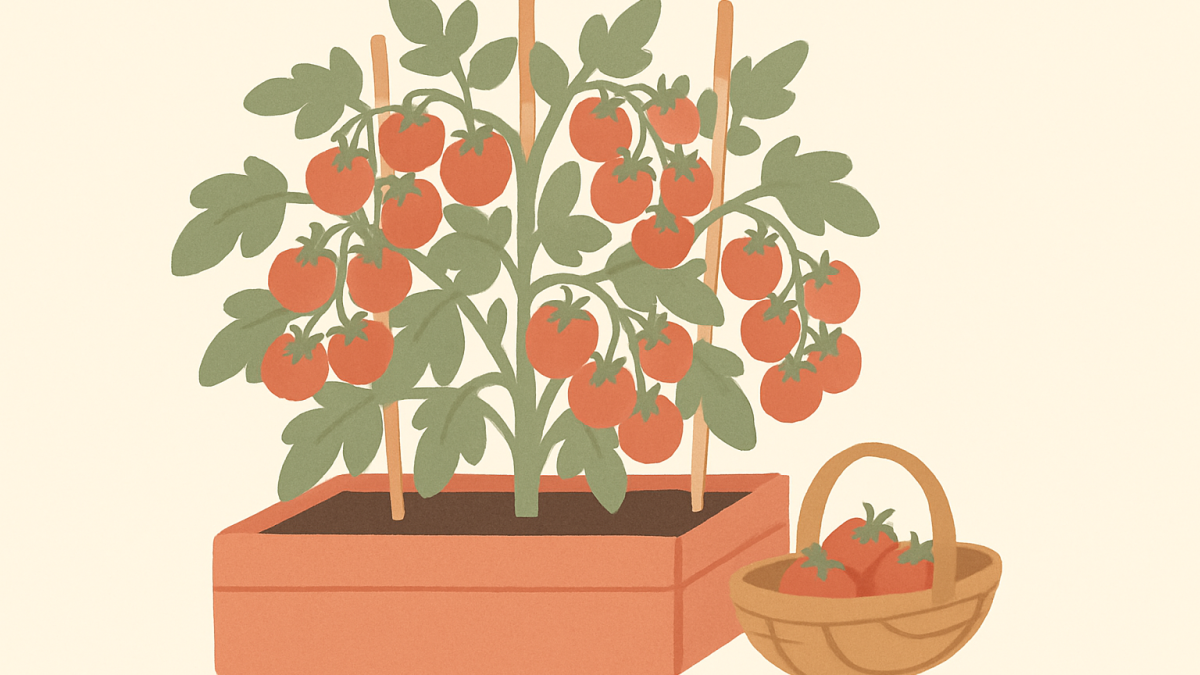
Two tomato plants grown side by side, planted the same day, can produce wildly different harvests — one struggling to fill a bowl, the other overwhelming the kitchen bench. The difference almost always comes down to a handful of ongoing management decisions rather than luck. Here's how to maximise your tomato harvest in Melbourne, from the moment your seedlings go in right through to the final pick of the season.
Start With the Right Foundation
A big harvest starts before the first flower even appears.
- Full sun: Tomatoes need a genuine 6-8 hours of direct sun daily to fruit well. Partial shade might keep a plant alive, but it noticeably caps how much it produces.
- Rich, well-drained soil: Dig in generous compost before planting — tomatoes are heavy feeders and a nutrient-poor bed limits fruiting no matter how well you manage the plant afterward.
- Right timing: Planting in the ideal October window (see our guide on when to plant tomatoes in Melbourne) gives plants the longest possible run to establish, flower, and ripen fruit before the season turns.
Water Consistently, Not Just Often
Irregular watering is the single biggest cause of reduced yield and fruit problems in home-grown tomatoes.
- Deep, less frequent watering encourages roots to grow deep in search of moisture, making plants more resilient through hot spells, compared with frequent shallow watering that keeps roots near the surface and vulnerable to drying out.
- Consistency matters more than volume — a plant that goes from bone-dry to waterlogged and back is far more prone to blossom end rot and split fruit than one kept evenly moist.
- Mulch heavily: A thick layer of straw or similar organic mulch around (not touching) the stem dramatically reduces how fast soil dries out through a Melbourne summer, and suppresses competing weeds at the same time.
Feed for Fruit, Not Just Foliage
A common mistake is over-feeding with high-nitrogen fertiliser, which produces lush green growth at the expense of flowers and fruit.
- Use a balanced fertiliser at planting, then switch to a potassium-leaning feed once flowering begins — potassium specifically supports flower and fruit development rather than leaf growth.
- Feed fortnightly through the main fruiting period; container-grown or particularly heavy-cropping varieties benefit from slightly more frequent feeding than plants in a well-composted garden bed.
Prune With Purpose
For indeterminate (vining) varieties especially, some pruning genuinely increases yield rather than just tidying the plant:
- Remove suckers (the small shoots that emerge in the join between the main stem and a branch) on vigorous varieties to focus the plant's energy into fewer, stronger fruiting stems rather than dozens of competing ones.
- Remove lower leaves that touch or nearly touch the soil, reducing splash-back of soil-borne fungal spores onto foliage during rain or watering.
- Don't over-prune — leaves are what feed the developing fruit through photosynthesis, so stripping too much foliage in the name of tidiness can actually reduce your harvest.
Support Plants Properly
A plant sprawling on the ground produces less usable fruit than one properly staked or caged — sprawling fruit is more exposed to pests, rot, and sunscald, and a poorly supported plant puts more energy into structural stems than fruit.
- Stake or cage at planting time, not later, to avoid root disturbance.
- Tie in main stems loosely as the plant grows, checking ties don't cut into the stem as it thickens.
Encourage Pollination
Tomatoes are self-pollinating, but fruit set improves with a bit of help, especially in still, humid weather or if bee activity in your area is low:
- A gentle shake of flowering trusses, or a light tap with your finger, helps release pollen and improve fruit set.
- Avoid broad-spectrum insecticide use during flowering, which can reduce the bee and other insect activity that also assists pollination.
Manage Heat Stress
Melbourne summers regularly bring days well above 35°C, which can cause flowers to drop before setting fruit — a temporary but yield-reducing problem.
- Consistent watering going into a heatwave reduces stress considerably.
- Light shade cloth over particularly exposed plants during the worst of a heatwave can prevent flower drop without meaningfully reducing overall light for photosynthesis.
- Don't panic about a heat-related dip in flowering — plants typically resume setting fruit once temperatures moderate.
Harvest at the Right Time
How and when you pick affects total harvest too:
- Picking ripe fruit promptly encourages the plant to keep directing energy into new fruit, rather than holding onto ripe tomatoes that could otherwise be harvested.
- In late season, picking tomatoes at the "breaker" stage (just starting to show colour) and ripening them indoors protects the harvest from a sudden weather change or pest pressure, without meaningfully affecting flavour.
Choose Naturally Heavy-Cropping Varieties
Some varieties are simply bred for higher yield than others. Reliable heavy croppers like Roma and Grosse Lisse tend to produce more total fruit per plant than some of the slower, larger-fruited heirlooms — worth factoring in if maximising total harvest weight matters more to you than chasing a specific rare flavour.
Frequently Asked Questions
Does more fertiliser mean more fruit? Not necessarily, and over-feeding with high-nitrogen fertiliser specifically can reduce fruiting by pushing leafy growth instead. A balanced approach that shifts toward potassium once flowering starts gives better results than simply feeding more.
Should I remove all suckers? Not entirely — a moderate amount of pruning focuses energy into fewer, stronger stems, but removing every single sucker on a vigorous variety can reduce total leaf area and, counterintuitively, reduce yield. Aim for balance rather than maximum pruning.
Why are my flowers dropping without setting fruit? Heat stress above the mid-30s°C is the most common cause in Melbourne, along with irregular watering. Both are usually temporary — consistent watering through a heatwave and patience once temperatures ease typically sees flowering resume.
Does variety choice really make a big difference to total harvest? Yes — some varieties are simply bred for higher yield, while others (particularly large, slow-ripening heirlooms) prioritise size and flavour over sheer quantity. If maximising total kilos is the goal, factor this into variety choice alongside the care practices above.
Put It All Together
None of these factors work in isolation — a well-watered plant with poor soil will still underperform, and a perfectly fed plant left unstaked and unpruned won't reach its potential either. The biggest harvests come from getting the fundamentals right together: good soil, full sun, consistent water, sensible feeding, and a bit of ongoing attention through the season.
Start the season right with strong, locally grown tomato seedlings, and put these habits into practice from planting day through to your last harvest.