 Lydiony Garden
16 July 2026
Growing Cucumbers in Pots in Melbourne
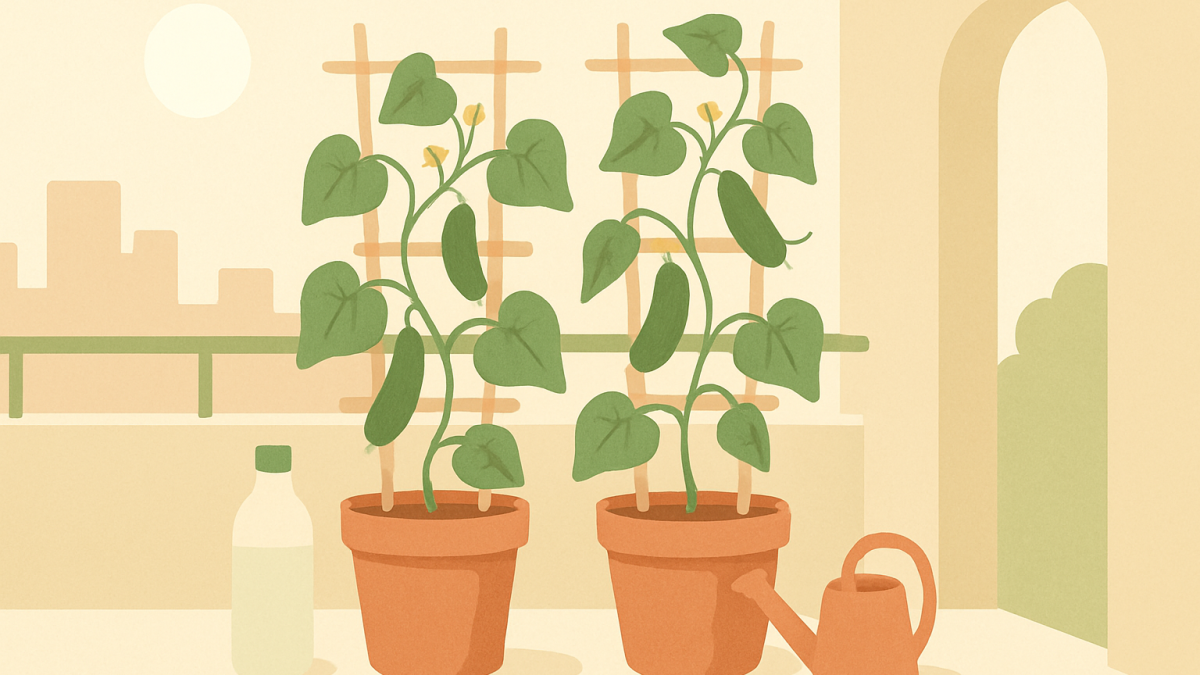
Don't have a garden bed, or want to keep your vegetable growing close to the kitchen door? Growing cucumbers in pots in Melbourne is a genuinely good option — cucumbers are vigorous, fast-growing, and with the right container and a bit of support, produce just as well in a large pot on a sunny patio as they do in open ground.
This guide covers everything you need to grow cucumbers successfully in containers in a Melbourne climate: pot size, soil, watering, support, and the timing that gets you the best results.
Why Grow Cucumbers in Pots?
Cucumbers are a natural fit for container growing in Melbourne for a few reasons:
- Heat management: A pot on a paved patio or balcony often runs warmer than open ground — useful in spring when cucumbers want consistent warmth to get going, though it means extra attention to watering once the height of summer arrives.
- Better drainage control: Cucumbers hate waterlogged roots. A pot with good drainage holes gives you far more control over soil moisture than a garden bed with heavy clay, which is common across much of Melbourne.
- Space efficiency: A single well-grown cucumber plant trained up a trellis or stake produces a substantial crop from a footprint of well under a square metre.
Choosing the Right Pot
Size matters more with cucumbers than with many vegetables, since they're vigorous growers with a decent root system:
- Minimum size: A pot of at least 40cm diameter and depth, holding around 40-50 litres of mix. Bigger is better — a larger volume of soil buffers against the rapid drying out that smaller pots suffer through a Melbourne summer.
- Drainage: Multiple, generously sized drainage holes are non-negotiable. Elevate the pot slightly on pot feet or bricks so water can actually escape rather than pooling underneath.
- Material: Glazed ceramic or plastic pots retain moisture better than terracotta, which is worth considering given how much watering container cucumbers need through summer.
Soil and Planting
Fill your pot with a good quality potting mix blended with compost — cucumbers are hungry plants and a poor, low-nutrient mix will show up quickly as pale leaves and poor fruit set. Mix in a slow-release vegetable fertiliser at planting time to establish a nutrient baseline before you start supplementary feeding.
Plant once the weather has properly warmed — cucumbers are frost-tender and, unlike tomatoes, also dislike cool soil, so hold off until at least mid-to-late spring in most Melbourne suburbs, once overnight temperatures are reliably above around 12°C. If you're keen to get ahead of the season, our cucumber seedlings are grown and hardened off ready to plant the moment your local conditions are right, saving you the six-plus weeks of indoor seed starting cucumbers otherwise need.
Supporting Your Plant
Even in a pot, cucumbers grow better trained upward than left to sprawl:
- Trellis or stake: A simple tomato cage, bamboo tripod, or piece of trellis pushed into the pot at planting time gives the vine something to climb, keeps fruit off the soil (reducing rot and pest damage), and improves airflow around the leaves.
- Tying in: Cucumber tendrils will grip on their own once they find something to hold, but loosely tying the main stem to your support every 20-30cm as it grows helps keep the plant on track, especially in Melbourne's occasional gusty spring winds.
Watering: The Single Biggest Factor
More container cucumber crops fail from inconsistent watering than from any other cause. Potting mix dries out far faster than garden soil, and cucumber fruit is over 95% water — any lapse shows up immediately as bitter fruit, stunted growth, or blossom drop.
- Check pot moisture daily once summer arrives — a finger pushed 2-3cm into the mix is a reliable test.
- Water deeply until it runs from the drainage holes, rather than little and often, which only wets the top layer of soil.
- A layer of mulch over the potting mix surface meaningfully cuts down how often you need to water through Melbourne's hot, dry summer stretches.
- Consider a drip irrigation line on a timer if you're often away from home — cucumbers in pots can go from thriving to wilted within a single hot day if watering is missed.
Feeding Through the Season
Once your plant starts flowering and setting fruit, switch to a fortnightly liquid feed with a potassium-leaning fertiliser to support fruit development. Container-grown plants exhaust the nutrients in their limited soil volume faster than garden-grown ones, so regular feeding through summer is what keeps production going rather than tapering off after the first few cucumbers.
Common Container Cucumber Problems
- Bitter fruit: Almost always a sign of water or heat stress rather than variety — consistent watering resolves it going forward, though already-affected fruit won't sweeten.
- Powdery mildew: More common on humid, still summer days. Good airflow (helped by trellising rather than letting the plant sprawl) and morning watering rather than evening reduce the risk.
- Poor fruit set: Cucumbers need pollinators. If you're growing on a balcony with little bee traffic, hand-pollination with a small paintbrush moved between male and female flowers can help.
Which Variety Suits a Pot?
A vigorous, reliable producer like our Lebanese Cucumber does well in a large container, producing a steady supply of crisp, thin-skinned fruit through the warmer months — a good all-round choice whether you're growing in a garden bed or a pot on the patio.
Frequently Asked Questions
Can I grow cucumbers in a small pot? You can try, but anything under 40cm in diameter will struggle to support a mature cucumber vine through a Melbourne summer — the plant will likely stay smaller and produce less than one in a properly sized container.
Do I need more than one plant for pollination? No — most cucumber varieties produce both male and female flowers on the same plant, so a single plant is capable of setting fruit on its own, provided there's enough pollinator activity or hand-pollination.
How often should I feed a potted cucumber? Once flowering starts, a fortnightly liquid feed is a good baseline, though hot, fast-growing stretches of summer may benefit from weekly feeding at a more dilute strength.
Can I reuse potting mix from last season? It's better not to, particularly if you had any disease issues. Cucumbers are susceptible to several soil-borne problems, and fresh potting mix each season is cheap insurance against carrying disease over.
Get Started This Spring
Pots are a genuinely low-barrier way to grow your own cucumbers in Melbourne, even without a garden bed to spare. Shop our cucumber seedlings and get planting once the weather's properly warmed up.